
Beyond Menstruation and Fees: The Hidden Health Crisis Keeping Ugandan Girls Out of School
April 25, 2024
Author, Latoya Jones
Menstrual products and school fees aren’t the only things keeping Ugandan girls out of school. I’ve witnessed firsthand a hidden health crisis directly undermining girls’ educational attainment. As the founder of Glass Girls Uganda, I’ve seen the multifaceted ways health challenges shatter Ugandan girls’ chances at a full education.
At Glass Girls Uganda, we work directly with girls facing immense challenges to their education. While access to menstrual products and school fees are critical concerns, we witness an even deeper and more complex crisis unfolding – one rooted in a wide range of persistent health issues.
Girls across Uganda endure a barrage of ailments such as typhoid, ulcers (chronic in boys as well), painful periods, malaria, and mental health struggles. As a result of these relentless health battles, the girls we work with face poor educational outcomes.
Chronic Illness and Poor Performance: The Story of Jennifer
Girls in our program routinely battle illnesses like typhoid, agonizing ulcers, painful periods, and malaria. The impact is devastating. Jennifer*, a bright young woman, had to abandon her studies in Senior 4 due to constant illness, shattering her dreams of completing her secondary school education. Her poor academic performance was a direct result of her health, not her abilities.

Ulcers, Mental Strain, and Caregiver Burdens: Sarah’s Struggle
Sarah* suffers from ulcers, causing her to miss significant amounts of school. But that’s just one facet of her struggle. While her mother works abroad, Sarah shoulders the heavy responsibility of caring for her younger sister in an unsupportive household. This immense stress compounds her physical ailments and takes a severe toll on her mental health. **
The Unseen Impacts on Education
These stories are not isolated incidents. I spoke with Clare Ainomugisha of Rose Academies-Uganda, who works in rural areas training girls to make reusable pads, and so much more, to gain insights into this hidden crisis.
As healthcare educator Clare emphasizes, “the existence of clinics doesn’t guarantee access in rural areas. Medication is often unavailable or prohibitively expensive, forcing girls from impoverished households to abandon treatment and miss out on vital school days.”
As Clare further emphasizes, this lack of proper hygiene creates a vicious cycle. Overcrowded, unclean latrines, mostly outdoors and lacking proper flushing mechanisms, become breeding grounds for bacteria. This directly translates to frequent urinary tract infections (UTIs) – a painful and disruptive health issue for many girls.
“The suffering extends beyond the physical,” Clare observes. “Girls face immense stigma within their own homes, making it even harder to seek help. Even when experiencing debilitating cramps during menstrual cycles, shame prevents them from speaking out.”
Clare underscores the multifaceted nature of her work, which extends far beyond reusable pads: “It’s about addressing menstrual hygiene management holistically alongside sexual health education, empowering girls to care for their changing bodies with knowledge and dignity.”
The girls we work with face a relentless barrage of health problems, leading to:
Missed Classes: Frequent illness means absenteeism, making it impossible to keep up academically.
Reduced Concentration: Even when present, pain and discomfort make focusing on lessons nearly impossible.
Emotional Toll: The constant battle against illness and the stress of their circumstances create mental health burdens that further disrupt learning.
Stigma and Isolation: Girls may feel shame or embarrassment about their health issues, leading to withdrawal.
Call to Action
This crisis demands a multifaceted, development-focused response. We must:
Invest in Accessible Healthcare: Implement routine school-based health assessments, establish clinics, and ensure medication and preventative measures are available to mitigate chronic health problems.
Raise Awareness: Shifting societal perceptions around girls’ unique health challenges is crucial for facilitating support.
Provide Holistic Support Systems: Addressing economic and social burdens exacerbating health issues is essential for sustainable change in girls’ lives.
Champion Mental Health Services: The psychological toll of hardship requires dedicated mental healthcare for girls.
The education of girls is a fundamental human right and a key driver of development. Let’s recognize the health crisis jeopardizing this right and work relentlessly toward solutions.
Addressing these health crises isn’t just about girls’ well-being, it’s about unlocking their potential and building a more equitable Uganda.
*Names have been changed to protect privacy.
Educators and health workers: What health challenges do you see hindering girls’ education in your communities?
Please share this article to amplify the conversation and spark action.
#GirlsHealth #GirlsEducation #Uganda #publichealth #urbanhealth #education
#HealthEquity #Empowerment #glassgirlsuganda #healthpolicy #mentalhealth #malaria #WHO #Africa
Published by

Program Manager | Passionate about programs and products that make a difference.Program Manager | Passionate about programs and products that make a difference.
Published • 6d
“Menstrual products and school fees aren’t the only things keeping Ugandan girls out of school. I’ve witnessed firsthand a hidden health crisis directly undermining girls’ educational attainment. As the founder of Glass Girls Uganda, I’ve seen the multifaceted ways health challenges shatter Ugandan girls’ chances at a full education.”
Hearing the stories of three girls, whose education was derailed by health issues within a shockingly short time, deeply moved me and inspired me to write this article. Clare Ainomugisha Jemimah Wasike Rose Academies-Uganda
hashtag#GirlsHealth hashtag#GirlsEducation hashtag#Uganda hashtag#publichealth hashtag#urbanhealth hashtag#education hashtag#HealthEquity hashtag#Empowerment hashtag#glassgirlsuganda hashtag#healthpolicy hashtag#mentalhealth hashtag#malaria hashtag#WHO hashtag#Africa
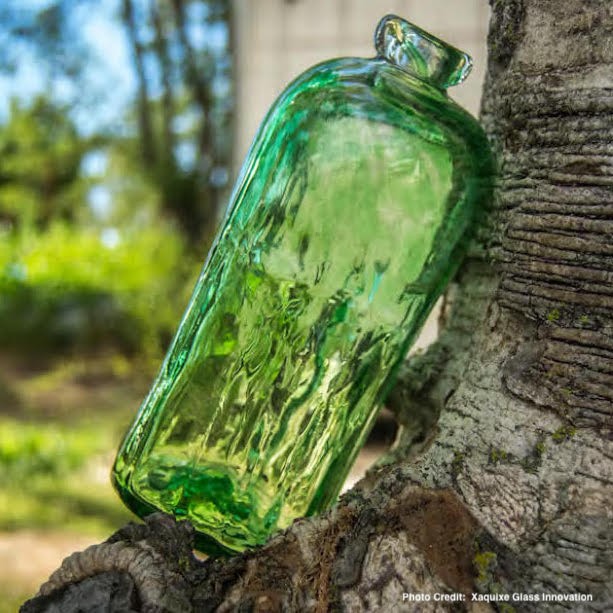
Glass: A Glittering Intersection of Manufacturing, Recycling, and Sustainability
January 24, 2024
Glass, a ubiquitous material with a history stretching back millennia, finds itself at a fascinating crossroads. Its gleaming beauty belies a complex reality where manufacturing, recycling, energy consumption, and natural resource depletion intertwine. This article delves into this intersection, exploring the global picture with a specific focus on Africa and Uganda, highlighting the challenges and opportunities that lie ahead.
Global Glass Landscape: A Glimmering Facade
The global glass industry is a behemoth, producing over 220 million metric tons annually. Packaging dominates the market, with food and beverage containers accounting for around 70%. Construction and automotive applications also play significant roles. However, this glittering facade masks a sobering truth: glass manufacturing is energy-intensive, requiring high temperatures to melt raw materials like sand, soda ash, and limestone. This translates to substantial carbon emissions, contributing to the climate crisis.
Africa’s Glass Story: A Budding Mosaic
Africa, with its burgeoning population and rising disposable incomes, is witnessing a surge in glass demand. The continent boasts over 100 glass factories, with countries like South Africa, Nigeria, and Ethiopia leading the charge. However, challenges abound. Inefficient production technologies, limited recycling infrastructure, and a lack of skilled labor hinder the sector’s growth and sustainability.
Uganda: A Case in Focus
Uganda, with its nascent glass industry, offers a microcosm of Africa’s glass conundrum. The country has a single glass factory, producing mainly beer bottles. While recycling rates are commendable at around 50%, collection and sorting systems remain rudimentary. Moreover, reliance on imported raw materials adds to the environmental footprint.
Recycling: The Gleaming Path Forward
Glass recycling presents a beacon of hope. Unlike most materials, glass can be recycled infinitely without losing its quality. Recycling a ton of glass saves enough energy to power a typical household for a week and reduces carbon emissions by 314 kilograms.
Global Recycling Efforts: A Patchwork Quilt
Globally, glass recycling rates vary widely, ranging from a dismal 10% in some countries to an impressive 85% in others. Europe leads the pack, while Africa lags behind with an average rate of around 20%. Initiatives like the Global Glass Alliance aim to bridge this gap by promoting best practices and technology transfer.
Uganda’s Recycling Mosaic: Missing Pieces
While Uganda is forging ahead with policies and initiatives for glass recycling, its story is still being written. While informal collection systems exist, a formal infrastructure is lacking. Investing in collection facilities, sorting technologies, and public awareness campaigns is crucial to boost recycling rates.
A Future Brighter than Crystal: Challenges and Opportunities
The future of glass holds both challenges and opportunities. To ensure a sustainable future, the industry must:
- Embrace energy-efficient technologies: Investing in renewable energy sources and modern furnaces can significantly reduce carbon emissions.
- Prioritize recycling: Robust collection and sorting systems, coupled with public education, are key to maximizing recycling potential.
- Foster innovation: Research into alternative raw materials and closed-loop production systems can further reduce environmental impact.
Africa and Uganda, with their burgeoning glass industries, have a unique opportunity to chart a sustainable course. By embracing technological advancements, prioritizing recycling, and fostering innovation, they can ensure that the future of glass is not just gleaming, but also green.
References:
- The Glass Packaging Institute: https://www.gpi.org/
- The Federation of European Associations for Vehicular Glass: https://feve.org/
- The Global Glass Alliance: https://glassallianceeurope.eu/
- “Glass Recycling in Africa: Challenges and Opportunities” by UNEP: https://www.unep.org/news-and-stories/opinion/african-nations-have-power-tools-re-design-plastic-pollution-free-future


By understanding the complex interplay between glass manufacturing, recycling, energy, and natural resources, we can craft a future where this remarkable material continues to shine, not at the expense of our planet, but in harmony with it. Let us work together to ensure that the future of glass is not just beautiful, but also sustainable.
#glassmanufacturing #glassrecycling #sustainability #africa #uganda #environment #energy #naturalresources #circulareconomy #greenfuture #glassgirlsuganda #upcycling
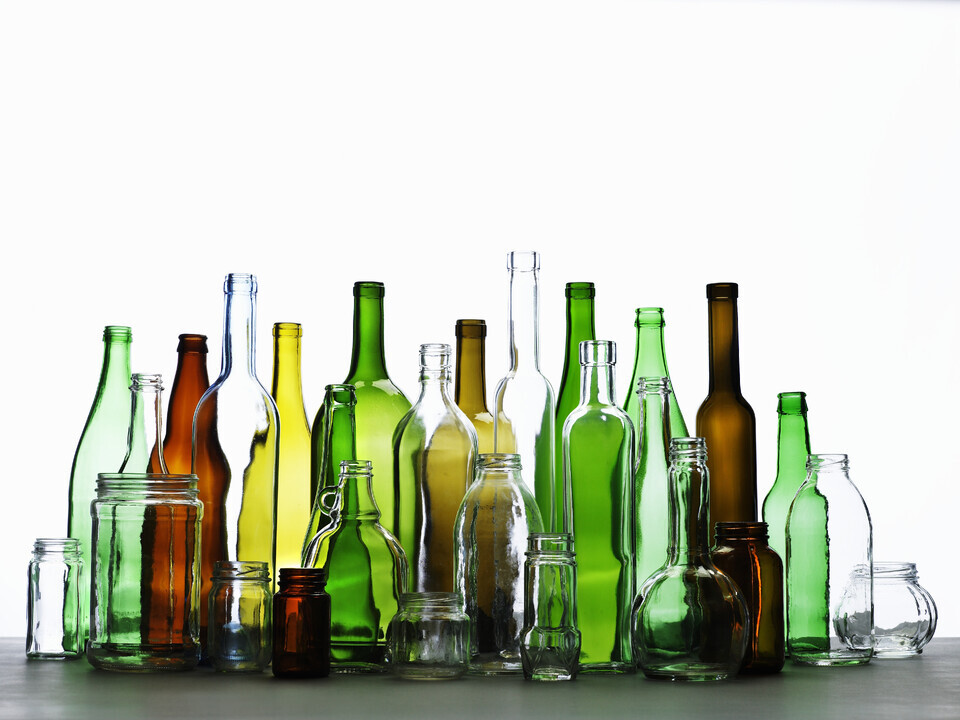
How Uganda is Leading the Way in Glass Recycling in Africa
Global Glass Recycling Statistics 2023
The global glass recycling rate is estimated to be around 21%. This means that for every 100 tons of glass produced, only 21 tons are recycled. The remaining 79 tons are either landfilled or incinerated.
The top-performing countries in terms of glass recycling rates are:
- Germany (84.8%)
- Austria (84.4%)
- Belgium (83.2%)
- Slovenia (82.7%)
- South Korea (81.9%)
These countries have been successful in implementing policies and programs that promote glass recycling. For example, Germany has a mandatory curbside recycling program and a landfill tax.
Africa has the lowest glass recycling rate of any region in the world, with only 4% of glass recycled. This is due to a number of factors, including poverty, lack of infrastructure, and informal waste management systems.
Uganda is one of the few countries in Africa that has made significant progress in recent years in terms of glass recycling. In 2018, Uganda’s glass recycling rate was 20%, up from just 5% in 2010. This increase is largely due to the efforts of the government and non-profit organizations to promote glass recycling and waste reduction.
In 2022, the Ugandan government passed a new waste management law that requires households and businesses to separate their waste for recycling. The law also bans the use of single-use plastics.
The new waste management law is expected to further increase Uganda’s glass recycling rate in the coming years. However, there are still a number of challenges that need to be addressed, such as the lack of infrastructure and the high cost of recycling.
Upward and downward trends
The global glass recycling rate has been increasing steadily in recent years. However, there are some countries where the glass recycling rate has declined in recent years. For example, the glass recycling rate in the United States has declined from 35% in 2010 to 23.6% in 2021.
The decline in the US glass recycling rate is due to a number of factors, including the collapse of the global market for recycled glass and the high cost of recycling.
Conclusion
Global glass recycling rates are increasing, but there is still a lot of room for improvement. The top-performing countries in terms of glass recycling rates are Germany, Austria, Belgium, Slovenia, and South Korea. Africa has the lowest glass recycling rate of any region in the world, but Uganda is one of the few countries in Africa that has made significant progress in recent years in terms of glass recycling.
The new waste management law in Uganda is expected to further increase the country’s glass recycling rate in the coming years. However, there are still a number of challenges that need to be addressed, such as the lack of infrastructure and the high cost of recycling.
References:
- World Bank (2023). What a Waste 2.0: A Global Snapshot of Solid Waste Management to 2050.
- Global Recycling Foundation (2023). Global Recycling Statistics.
- Uganda Ministry of Water and Environment (2022). Waste Management Act, 2022.
Policy changes in Uganda
The new waste management law in Uganda is expected to have a significant impact on glass recycling rates in the country. The law requires households and businesses to separate their waste for recycling, and it bans the use of single-use plastics.
The law also provides financial incentives for businesses to invest in recycling infrastructure. For example, the law exempts businesses that recycle their waste from paying a landfill tax.
The new waste management law is a positive step forward for glass recycling in Uganda. However, it is important to note that the law will only be effective if it is properly implemented and enforced.
The Ugandan government will need to invest in public education and awareness campaigns to ensure that people are aware of the new law and how to comply with it. The government will also need to invest in recycling infrastructure and collection services.
With the implementation of the new waste management law, Uganda has the potential to become a leader in glass recycling in Africa.
Glass Girls Uganda: Valuing Our Customers and Fostering Continuous Improvement
Author, Latoya Jones
The Gist:
Glass Girls Uganda is a social enterprise dedicated to upcycling glass bottles and empowering young girls in Uganda. At Glass Girls, we strongly believe in understanding our customers’ needs and delivering exceptional customer service. To achieve this, we have implemented various strategies to gather feedback and insights from our customers, as well as our dedicated team members. This article explores our commitment to customer satisfaction, the importance of employee happiness, and the significance of utilizing feedback to drive continuous improvement.
Understanding Customer Needs and Expectations:
At Glass Girls Uganda, we understand that customer satisfaction is paramount, regardless of the size of our business. We strive for 100% customer satisfaction and treat our social enterprise with the same professionalism and dedication as a large corporation. To better understand our customers’ needs, we actively reach out to them through emails and requests for reviews on our products and services. This engagement has provided valuable insights, revealing that our customers greatly appreciate our creativity and exceptional customer service.
Employee Satisfaction and Insights:
In addition to focusing on our customers, we also recognize the significance of employee happiness. Our team members play a crucial role in delivering a positive customer experience. We ensure that our employees are not only paid on time but also encouraged to share their feedback. They interact directly with customers and possess unique insights into our operations. By soliciting their feedback, we gain a comprehensive understanding of the challenges and opportunities within our business.
Embracing Feedback and Continuous Improvement:
At Glass Girls, we believe that feedback from all stakeholders is invaluable. We actively encourage feedback from trainees, trainers, sanders, bottle cutters, candle makers, managers, and all other team members. Each perspective offers valuable insights into different aspects of our business. However, it is essential to effectively utilize this information. We organize and analyze the data, presenting it in a manner that is accessible to everyone. This allows us to identify areas for improvement and make informed decisions to enhance our products, services, and overall customer experience.
The Bottom Line:
Glass Girls Uganda is committed to valuing our customers and continuously improving our operations. By actively seeking customer feedback, prioritizing employee satisfaction, and embracing feedback from all stakeholders, we have gained valuable insights to enhance our creativity, customer service, and overall business performance.
In our journey to uplift communities and protect the environment through upcycling, we remain dedicated to providing exceptional experiences for our customers while making a positive impact on society.
Cheers to a brighter and more sustainable future with Glass Girls Uganda.
#glassbottles #upcycle #environmentallyfriendly #sustainability #uganda #skillingtheyounggirl #entrepreneurship #powertools #candles #candlemaking #candlesofinstagram #kampala #fortportal #glass #recycle
#environment #kampala #development #sustainabledevelopment #africa #eastafrica #glassbottles #drinkingglasses #uniquegifts #entrepreneurship #smallbusiness #glasscutting #glasscutter #climatechangeawareness #climatechange #ecoglass #candles #naturalcandles #beeswax #candlesofinstagram
#GlassBottleRecycling #UpcycledGlasswares #SustainableArt #EcoFriendlyCreations #RecycleAndReuse #UpcycledDesigns #CreativeGlassCrafts #EmpoweringGirls #YouthSkillsDevelopment #SustainableUganda #EnvironmentalImpact #WasteReduction #CommunityDevelopment #EmpowermentThroughArt #EcoConsciousLiving #SocialEnterprise #SustainableFuture #TransformingWaste #GirlsInUganda #SkillsTraining #SustainableInnovation
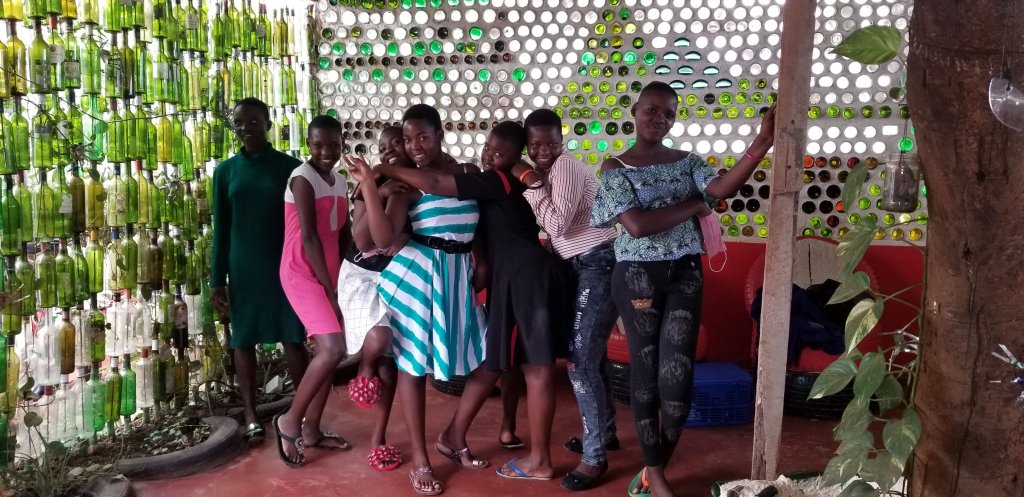
Empowering Girls and Transforming Lives: The Journey of Glass Girls Uganda
Author, Latoya Jones
Empowering Girls and Transforming Lives: The Journey of Glass Girls Uganda
In the midst of a global pandemic, when the world was gripped by uncertainty and lockdown measures, I found myself on a journey of self-discovery in Uganda. With a burning desire to make a difference, I asked myself a simple yet profound question: “What can I do?” Little did I know that this question would lead me to establish Glass Girls Uganda, a social enterprise that empowers young girls and transforms lives through upcycling and recycling glass bottles. Living in Kyebando, an area in Kampala characterized by poverty and limited access to resources, I witnessed firsthand the challenges faced by the local community. While some fortunate students had access to online education, the majority relied on limited resources like exercises printed in newspapers or televised classes.
Determined to make a difference, I embarked on a journey of teaching and coaching. It all started with a chance encounter with Lynette, a young girl working at her mother’s small vegetable stand. Struggling with basic math skills, I decided to lend a helping hand. I provided her with a pencil and notebook and taught her the importance of record-keeping. Soon, I found myself coaching not only Lynette but also her sisters. Word spread and more students sought guidance. Unable to accept all of them, I took it upon myself to provide learning materials to those I couldn’t accommodate. In the midst of teaching and coaching, I discovered a shared love for creativity and craftsmanship.
I introduced the girls to the art of cutting glass bottles, simply for fun. It ignited their passion like never before. We decided to give ourselves a name, a logo, and a tagline. Thus, Glass Girls Uganda was born with a mission: “Giving glass a second chance.” Since our humble beginnings in September 2020, Glass Girls Uganda has grown into a thriving social enterprise. We are driven by our commitment to make a lasting impact on the lives of young girls and women in Uganda.
Through our upcycling and recycling initiatives, we not only breathe new life into glass bottles but also provide training and economic opportunities. As we reflect on our journey, we are filled with gratitude and hope for the future. In the next five years, we envision an afterschool workshop, a larger recycling facility, and expanding our market beyond Kampala, Uganda. We are eager to explore new horizons and create a sustainable future for our organization and the communities we serve.
Glass Girls Uganda stands as a testament to the power of a simple idea fueled by passion and dedication. We have come a long way, and our impact continues to grow. We are proud of what we have achieved in just two years and eight months, but our journey is far from over. With unwavering determination, we strive to empower more girls, upcycle more glass bottles, and create a brighter, greener future for all. Join us on this incredible journey of transformation and together, let’s make a difference one glass bottle at a time.
#glassbottles #upcycle #environmentallyfriendly #sustainability #uganda #skillingtheyounggirl #entrepreneurship #powertools #candles #candlemaking #candlesofinstagram #kampala #fortportal #glass #recycle
#environment #kampala #development #sustainabledevelopment #africa #eastafrica #glassbottles #drinkingglasses #uniquegifts #entrepreneurship #smallbusiness #glasscutting #glasscutter #climatechangeawareness #climatechange #ecoglass #candles #naturalcandles #beeswax #candlesofinstagram
#GlassBottleRecycling #UpcycledGlasswares #SustainableArt #EcoFriendlyCreations #RecycleAndReuse #UpcycledDesigns #CreativeGlassCrafts #EmpoweringGirls #YouthSkillsDevelopment #SustainableUganda #EnvironmentalImpact #WasteReduction #CommunityDevelopment #EmpowermentThroughArt #EcoConsciousLiving #SocialEnterprise #SustainableFuture #TransformingWaste #GirlsInUganda #SkillsTraining #SustainableInnovation Tamara N. Jones Jemimah Wasike
The Intersection of Social and Environmental Issues in Uganda and Africa
Author, Latoya Jones
As an environmental consultant with over 10 years of experience working in Africa, I have seen firsthand the intersection of social and environmental issues on the continent. In Uganda, as in many other African countries, these issues are complex and interconnected, and they have a significant impact on the lives of millions of people.
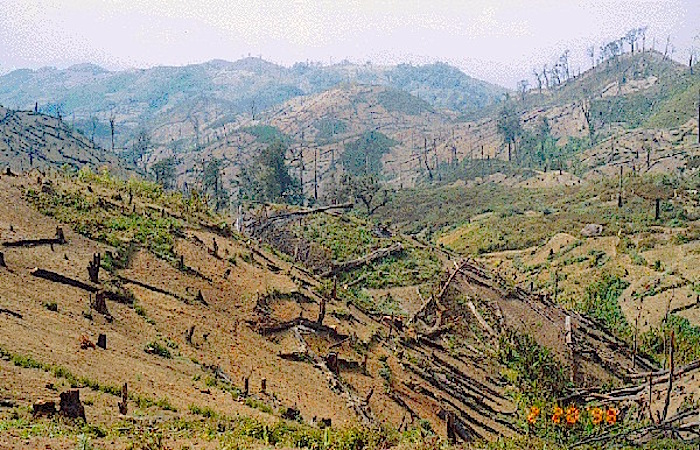
One of the most pressing environmental issues in Uganda is deforestation. The country’s forests are being cleared at an alarming rate, due to a combination of factors, including population growth, agricultural expansion, and the demand for timber and charcoal. Deforestation has a number of negative consequences, including soil erosion, flooding, and climate change. It also contributes to the loss of biodiversity, as many plant and animal species rely on forests for their survival.

Another major environmental issue in Uganda is pollution. Air pollution is a particular problem in urban areas, where traffic congestion and industrial emissions contribute to high levels of pollutants in the air. Water pollution is also a concern, as untreated sewage and industrial waste are often dumped into rivers and lakes. Pollution can have a number of health impacts, including respiratory problems, cancer, and birth defects.
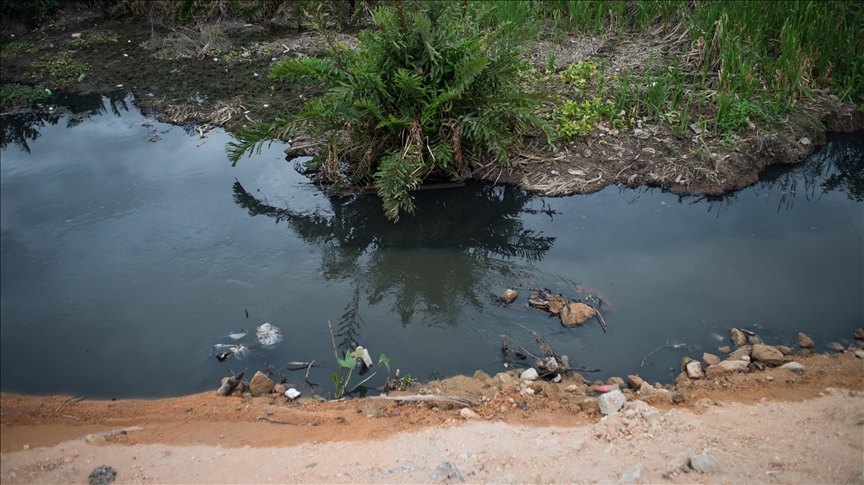
These environmental problems have a significant impact on the social well-being of Ugandans. Deforestation, for example, has led to the displacement of people from their homes, as well as the loss of traditional livelihoods. Pollution can cause respiratory problems and other health problems, which can lead to increased healthcare costs and lost productivity.
In addition to the environmental and social impacts, these issues also have an economic impact. Deforestation, for example, can lead to a decrease in agricultural productivity, as trees help to regulate water flow and soil fertility. Pollution can also damage infrastructure and reduce tourism revenue.

There are a number of things that can be done to address these environmental and social issues in Uganda. These include:
- Investing in sustainable agricultural practices can help to reduce deforestation and soil erosion.
- Promoting the use of renewable energy sources, such as solar and wind power, to reduce air pollution.
- Investing in wastewater treatment plants to improve water quality.
- Raising awareness of the environmental and social impacts of these issues, and working with communities to find solutions.
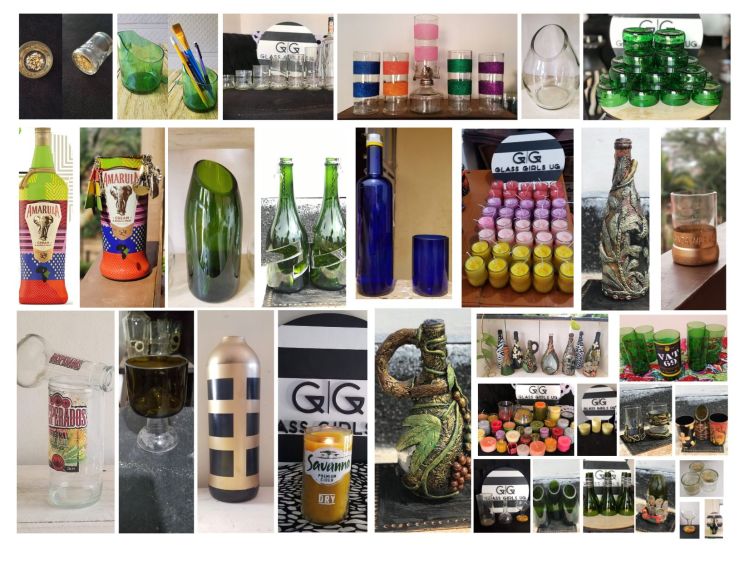
Glass Girls Uganda
One example of a business that is working to address the intersection of social and environmental issues in Uganda is Glass Girls Uganda. Our social enterprise upcycles waste glass into beautiful and functional products, such as jewelry, beads, and homewares. The company employs young girls from disadvantaged backgrounds, providing them with training and skills that can help them build a brighter future for themselves. Glass Girls Uganda also raises awareness of the importance of recycling and environmental sustainability.
Glass Girls Uganda is a shining example of how businesses can be a force for good in the world. By addressing environmental and social issues, they are creating a more sustainable future for Uganda and beyond.
Conclusion
The intersection of social and environmental issues is a complex and challenging one. However, there are also a number of opportunities to address these challenges and build a more sustainable future for Uganda and Africa. By working together, we can find solutions that address the needs of both people and the planet.
#environmentalsustainability #environmental justice #climatechange #deforestation #pollution #upcycling #glassgirlsuganda #socialenterprise #womenempowerment #upskillinggirls #sustainabledevelopment #africa #uganda
Incetivizing Recycling
Author, Latoya Jones
Incentivizing recycling is one way to reduce waste in landfills, but it is not the only way. Engaging small businesses, creatives, and young innovators to upcycle plastics in Uganda is another important approach.
Small businesses and creatives are often at the forefront of innovation, and they can develop new and innovative ways to upcycle plastics. For example, some small businesses in Uganda are using recycled plastics to make jewelry, bags, and other products. These businesses are not only helping to reduce waste, but they are also creating jobs and generating income for the local community.
Young innovators are also playing an important role in developing new solutions to the problem of plastic waste. For example, a group of young innovators in Uganda has developed a machine that can convert plastic waste into fuel (https://lnkd.in/eKpqZgvw). This machine could help to reduce Uganda’s reliance on imported fuel and create a new market for recycled plastics.
Engaging small businesses, creatives, and young innovators in the fight against plastic waste is essential to making Uganda a leader in environmental waste management. By providing these groups with support and resources, we can help them to develop and implement innovative solutions to the problem of plastic waste.
Here are some specific ways to engage small businesses, creatives, and young innovators in the fight against plastic waste:
-Provide financial support to small businesses and creatives that are developing new and innovative ways to upcycle plastics.
-Offer training and mentorship programs to help young innovators develop their ideas and bring them to market.
-Create a network of stakeholders to connect small businesses, creatives, and young innovators with each other, as well as with potential investors and customers.
-Promote the products and services of small businesses and creatives that are using recycled plastics.
By taking these steps, we can help to create a more sustainable future for Uganda.
Uganda Breweries LimitedCoca-Cola Beverages UgandaPepsiCoCrown Beverages LimitedGlass Girls Uganda#upcyclingplasticsuganda
#plasticwaste
#environmentalwaste
#wastemanagement
#innovation
#creativity
#entrepreneurship
#sustainability
#socialimpact
#younginnovators
#circulareconomy
#Uganda

We are on the way towards ensuring that 100% of our plastics are recyclable as part of our 2025 Plastic Recycling targets. We are doing this by using sustainable packaging that allows for increased consumer recycling rates. Plastics are a danger to ground water and we call upon every Ugandan to carefully dispose them of and prevent them from reaching our water sources and catchment areas.
We recently joined efforts with Coca-Cola Beverages Uganda (CCBU), Mukwano Industries U Ltd., Harris International, and PepsiCo/Crown Beverages Limited (CBL) with the aim of establishing a Producer Responsibility Organization (PRO) in Uganda that will create a non-profit, industry-driven and financed environmental solution for post-consumer plastic bottles.
We have incentivized collection and recycling and ensured post-consumer PET (polyethylene terephthalate) plastic is diverted from landfill and does not impact negatively on the environment. The move is expected to curb plastic waste from used plastic bottles made from PET.
“Everyone has to be involved to achieve this, from the raw material producers to the converters, brand owners, retailers, consumers and recyclers, all must play their part in the solution, with the PRO advancing the industry’s Extended Producer Responsibility (EPR),” Suleiman Ngondi, the Uganda Breweries Sustainability and Communications Manager said.
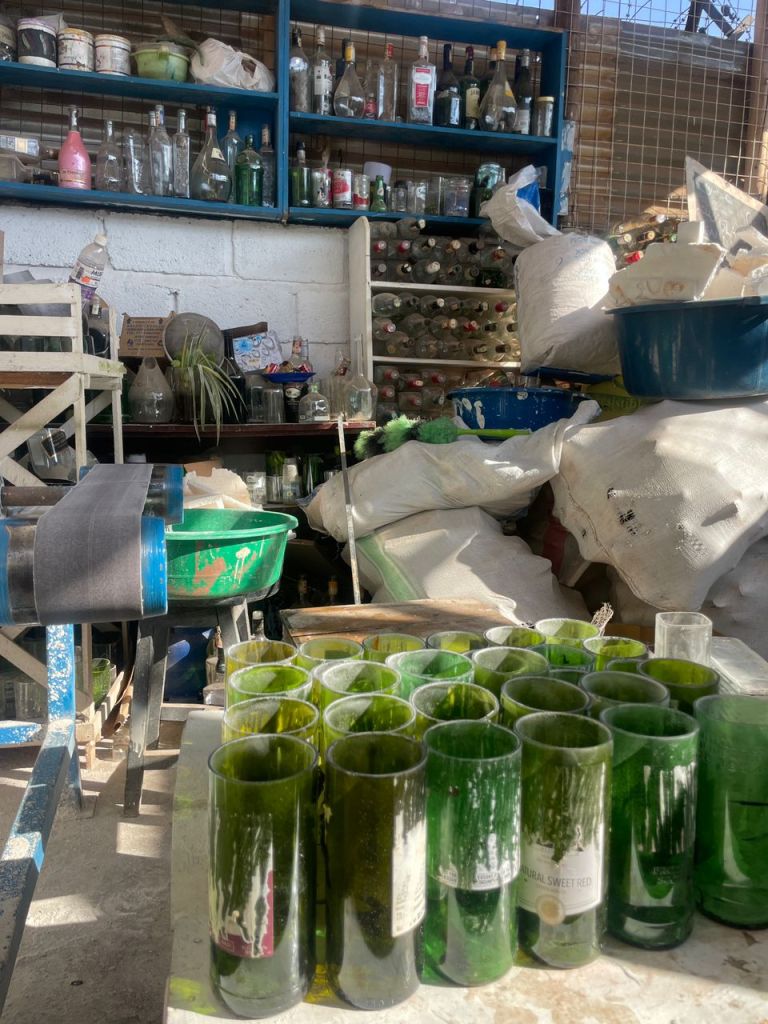
How to Overcome the Challenges Facing Glass Recycling and Upcycling Businesses in Uganda
Author, Latoya Jones
Glass recycling and upcycling businesses in Uganda face a number of challenges, including:
- High costs: The cost of setting up and operating a glass recycling and upcycling business can be high, especially for small businesses. This includes the cost of equipment, transportation, and labor.
- Competition from imported glass products: Uganda imports a large quantity of glass products, such as drinking glasses, bottles, and jars. These imported products are often cheaper than recycled glass products, making it difficult for local businesses to compete.
- Perceptions: There is a perception among some consumers that recycled glass is not as high quality as imported glass. This can make it difficult to sell recycled glass products.
- Economy: The Ugandan economy is still developing, and many people have limited disposable income. This can make it difficult for businesses to sell recycled glass products, which are often more expensive than traditional glass products.
Despite these challenges, there is a growing demand for recycled glass products in Uganda. This is due to a number of factors, including increasing awareness of the environmental benefits of recycling and the growing popularity of eco-friendly products.
Glass recycling and upcycling businesses in Uganda play an important role in the country’s economy. They create jobs, reduce pollution, and conserve natural resources. However, these businesses need support from the government and consumers in order to thrive.
What can be done to support glass recycling and upcycling businesses in Uganda?
- The government can provide subsidies and tax breaks to help businesses reduce their costs.
- The government can also implement policies to promote the use of recycled glass products, such as requiring public institutions to purchase recycled glass products.
- Consumers can support these businesses by buying recycled glass products. They can also spread the word about the benefits of recycling and upcycling glass.
By working together, we can help glass recycling and upcycling businesses in Uganda to succeed. This will benefit the economy, the environment, and the people of Uganda.
#glassrecycling #glasssupcycling #uganda #africa #environment #sustainability #zerowaste #gogreen #savetheplanet #ecofriendly #sustainablebusiness #socialenterprise #upcycling #reuse #reduce #recycle #challenges #opportunities #economy #market #consumers #government #policies #support
LATEST STORIES
Subscribe
Sign up for a weekly newsletter with the latest blog posts and exclusive content. In your inbox every Tuesday!
 glassgirlsuganda.com